Introduction to Concrete Staining: A 2026 Perspective
As we navigate through 2026, property owners in The Woodlands, Texas, are increasingly turning to concrete staining to enhance the aesthetic appeal and durability of their surfaces. Whether you're a homeowner looking to revamp your patio or a business owner aiming to update your storefront, understanding the different staining options available is crucial. This comprehensive guide will compare various concrete staining techniques, helping you make an informed decision for your next project.
Acid-Based Stains: The Classic Choice
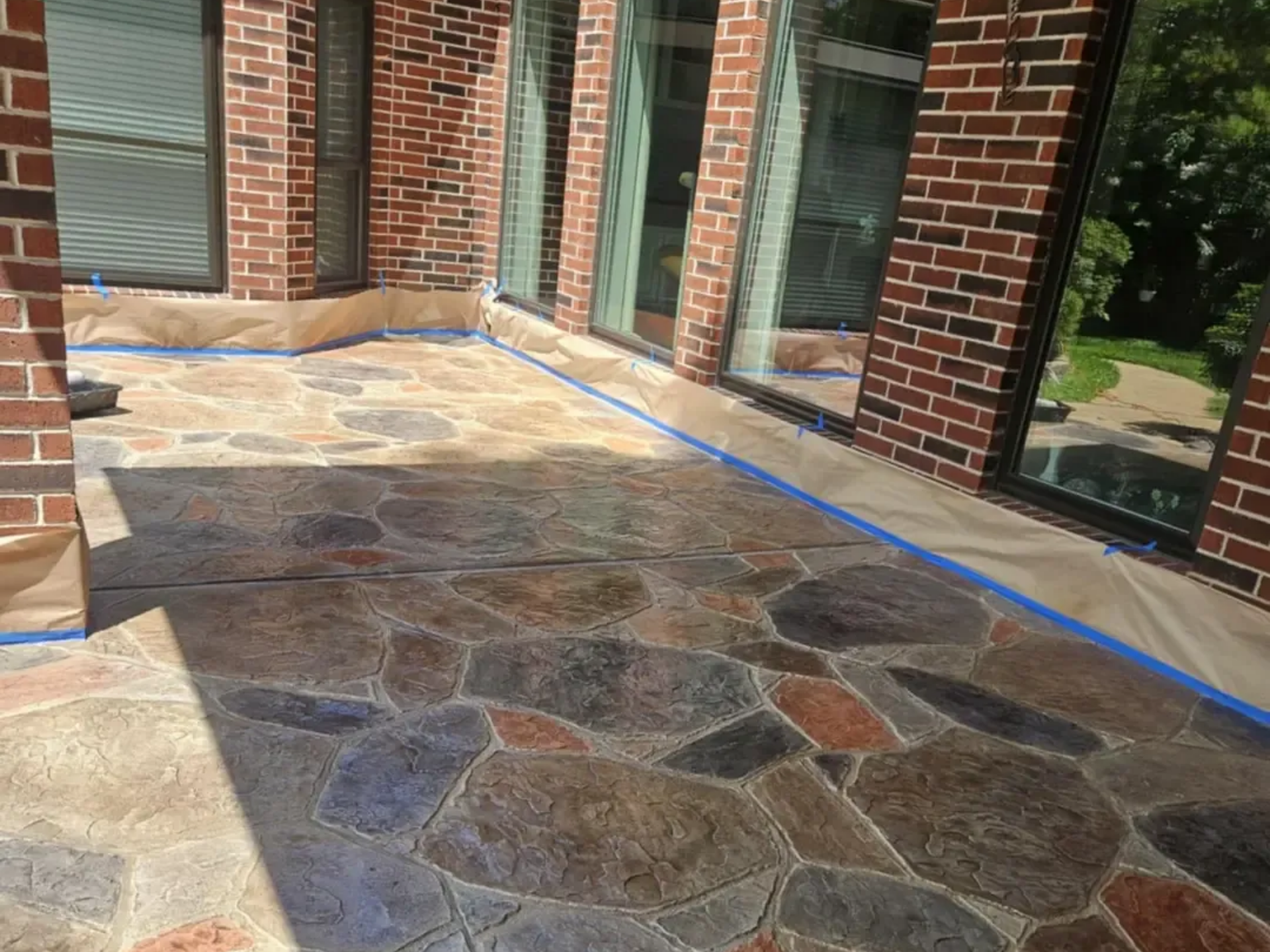
Description: Acid-based stains have been a popular choice for decades, offering rich, natural tones by reacting chemically with the concrete. This method provides a unique, variegated look that mimics the appearance of natural stone.
Advantages
- Durability: Acid stains penetrate deeply into the concrete, making them resistant to fading and peeling.
- Unique Appearance: Each application is unique, with color variations that add character to any space.
- Eco-Friendly: This method uses minimal volatile organic compounds (VOCs), making it an environmentally conscious choice.
Disadvantages
- Limited Color Range: Typically offers earth tones and a limited palette.
- Complex Application: Requires professional expertise for optimal results and safety due to the use of chemicals.
Water-Based Stains: Versatility and Safety
Description: Water-based stains are gaining popularity in 2026 for their versatility and ease of use. These stains offer a broader color palette and are a safer choice for DIY enthusiasts.
Advantages
- Wide Color Range: Available in a variety of colors, from vibrant hues to subtle shades.
- Safety: Being non-reactive and low in VOCs, they are safer for both installers and the environment.
- Easy Application: Ideal for DIY projects, as they do not require extensive surface preparation or neutralization.
Disadvantages
- Surface Wear: May require more frequent maintenance as they do not penetrate as deeply as acid stains.
- Less Natural Appearance: The finish may appear less natural compared to acid-based stains.
Integral Color Stains: Built-In Beauty
Description: Integral color stains are mixed into the concrete before it is poured, ensuring color consistency throughout the slab. This method is perfect for new constructions in The Woodlands.
Advantages
- Color Consistency: Provides uniform color distribution, reducing the risk of surface wear revealing a different color.
- Long-Lasting: As the color is embedded in the concrete, it is incredibly durable and resistant to UV fading.
- Ideal for Large Projects: Suitable for large-scale projects where consistency and longevity are key.
Disadvantages
- Higher Initial Cost: Typically more expensive due to the need for colored concrete mix.
- Limited to New Projects: Not applicable for existing surfaces, making it unsuitable for renovations.
Choosing the Right Stain for Your Project
When selecting a concrete stain, consider the specific needs of your project. Here are some questions to guide you:
- What is the primary purpose of the stained surface? (e.g., aesthetic enhancement, durability, specific color requirement)
- Are you working with an existing concrete surface or a new installation?
- What is your budget for the project?
- Do you prefer a DIY approach or professional installation?
For those in The Woodlands, consulting with a local expert like Houston Concrete Staining can provide valuable insights and help tailor a solution to your needs.
Conclusion: Make the Right Choice for Your Space
As concrete staining continues to evolve in 2026, understanding the different options available is essential for making a choice that aligns with your vision and practical needs. Whether you opt for the timeless appeal of acid-based stains, the versatility of water-based stains, or the uniformity of integral colors, your project can benefit from enhanced aesthetic and functional qualities. Reach out to professionals in The Woodlands to ensure your concrete beautification project is executed with expertise and precision.